
“Every new beginning comes from some other beginning’s end.”
—Seneca
We Wear Endings Like Badges
As writers, we are familiar with the joy associated with putting the pen down for the last time, typing the last full stop, and sighing in relief that we made it to the end. We look forward to that moment when we can make a toast to our achievements, throw our heads back and allow ourselves to relax. This is what endings signify, a badge of honour we wear proudly.
On the other hand, beginnings do not afford us such luxury. They are awkward, shy, and often uncertain. So it comes as no surprise that they are not as celebrated as endings. Endings shout in glee while beginnings are quiet voices in the back of the room, asking to be trusted and given a chance.
Endings are important to us because they feel tangible. A box to tick, easy to see. We crave their presence and reach out our hands to touch them. We know they are there, just outside our grasp, certain they are coming, if only we try. But beginnings are not loud or visible. They occur silently in our minds, in our actions, in our hearts.
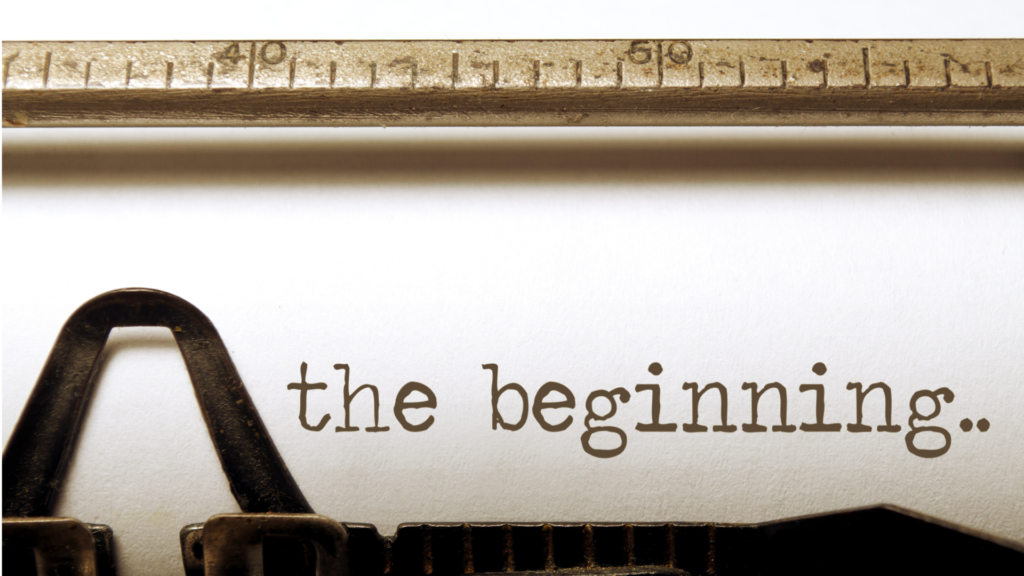
To Begin is a Choice, to End, a Certainty
Many great literary works are remembered for their beginnings and not their endings. That first line that steals your breath and stays with you years after. Words that seize your attention before you even get to the hook. For me, they are the hook. I believe Ursula K. Le Guin got it right in her essay, The Fisherwoman’s Daughter.
“First sentences are doors to worlds.”
There is a deliberateness that comes with writing that first line that endings don’t have. Beginnings demand thought, consciousness, and presence of mind. They are intentional, requiring the courage to move and defiance aimed at naysayers and your inner critic. Endings may occur as a foregone conclusion, as an accident, or even because of loss, but beginnings only happen when we make a choice.
Once this decision is made, everything is set in motion. To begin is to choose and determine how such a decision will come about. It is to set down goals and walk towards them. To go forth, despite the uncertainty of the unknown. To trust in what is being built and your process. Beginnings open doors and then lead us through them.
Have you ever read a book that has so much promise at the start, but cannot meet up to your expectations by the end? It doesn’t just annoy you when this happens, but leaves you feeling betrayed too. We feel cheated. Promises were made. So where is the payoff? Beginnings hold our hands and shine a light on the path we are to take. They tell us what to expect. They prepare us for the end, even a bad and unexpected one. Beginnings set the tone for all that is to come.

The Weight of Endings
There is a finality that comes with endings, a heaviness that weighs us down. It is a feeling that envelops us with the realisation that something valuable has reached its climax. And though we may feel elated that the work is finished, we struggle with the feeling of stagnation that heralds endings.
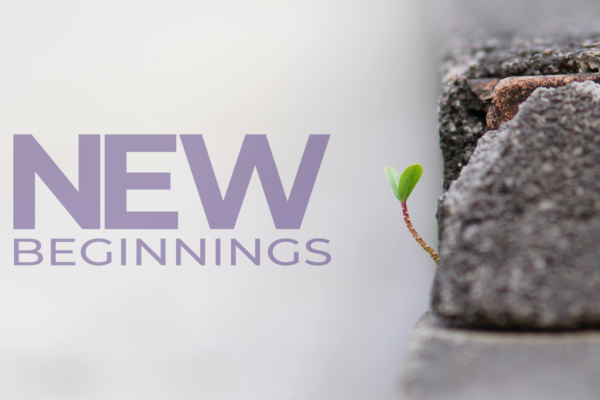
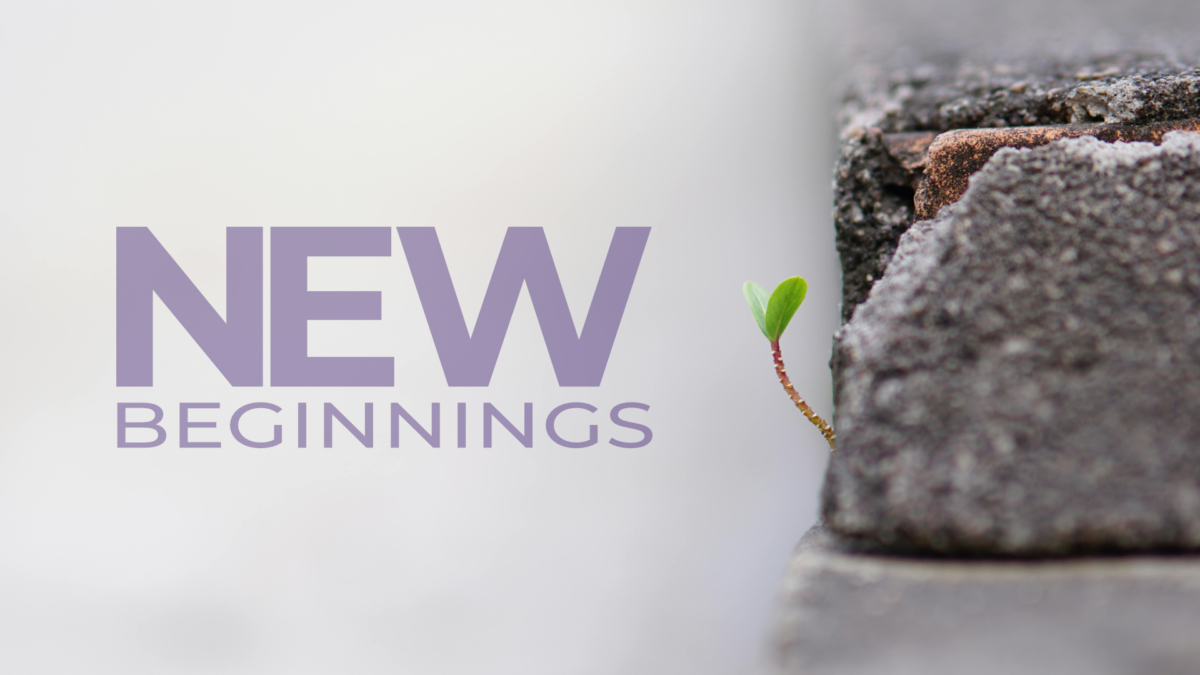
Wouldn’t it be more apt than to look at all endings as an opportunity for new beginnings? A chance to start again? An invitation to turn another page? What joy to know that nothing ever ends. That we are always on the cusp of something new happening.
Endings feel larger than they actually are because they are simpler. It is easier to name endings, to say of something, it is over. It is done. To begin, however, is to be brave. To be open to becoming.
Every Day is a New Beginning
When we look at our lives and examine the instances where we are faced with the prospect of change, we are often paralysed with fear. This dread stems from our inability to convince our minds of certain success. So we drag our feet, holding ourselves back from the possibility of reaching our goals.
Without a doubt, endings are more reassuring because it means we have achieved something, but that will never happen if you never start. Must we choose the simple path for the sake of the security it proffers? No. For how then can the world keep revolving if we are not open to new beginnings? How do we face ourselves if we do not choose courage?
“Courage is not the absence of fear, but rather the judgment that something else is more important than fear,” says Ambrose Redmoon. As emotional beings, it is natural to feel fear enveloping us to hold us hostage. But it is only for a little while. That is the only acknowledgement it deserves. Afterwards, we must shake it off and choose to begin anew.
It is therefore worthy of note that though beginnings may happen after something stops; they are not responsible for things ending. Instead, they give endings meaning. They empower us with the courage to move.
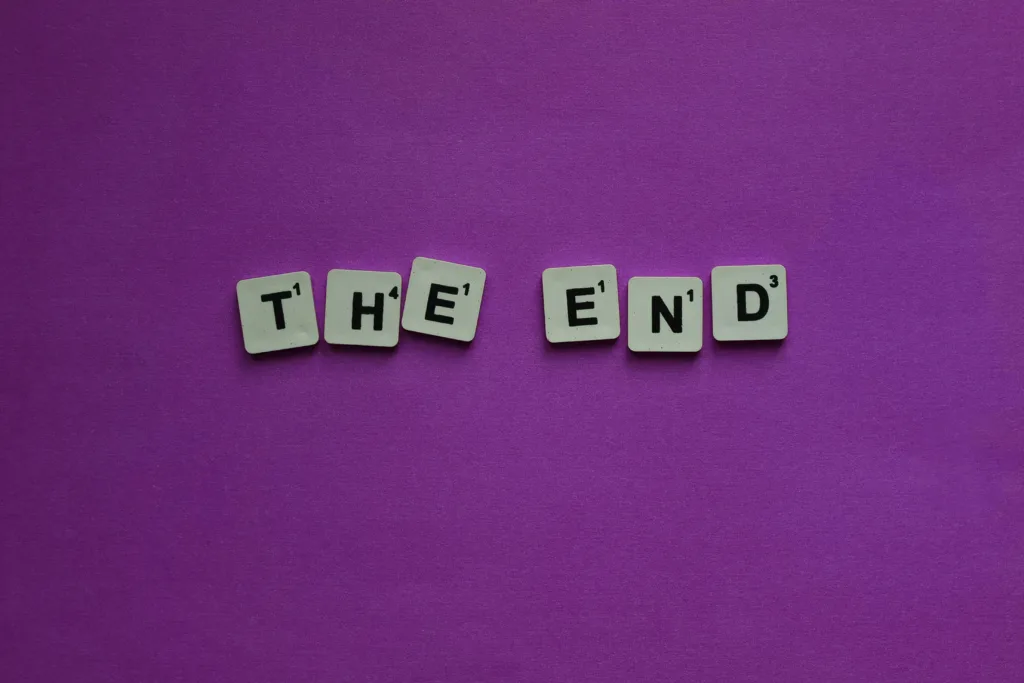
Endings Create Vacuums that Beginnings May Enter
Endings are important in so far as they pave the way for new beginnings. They are heavy, tangible things that we look forward to, sometimes with joy, sometimes with dread. But they are not our final bus stop.
Beginnings teach us how to live. They give us reason, time and time again, to birth new things. Granting us the permission to fail and try again. Reminding us of the endless possibilities ahead. While endings close doors, beginnings open new ones.
So the next time you stare at a blank page, agonise over the first words, and criticise each attempt; know that you have scaled a mountain. You have set yourself along the path of those that do, and who says it needs to be perfect. We’ve never needed to see the words “The End” to enjoy the act of writing, so don’t set your hopes on posthumous excitement. Enjoy the process, enter your flow state, and take the tiny steps necessary to become the artist you wish to be. And that way, someone else can celebrate your beginnings too.